Plan the museum visit and dinner first, but do not lock the journey to an old subway recommendation. Confirm each venue's current details, use the MTA for service information, and check the trip again before leaving. If anyone needs step-free travel, include elevator and escalator status checks as a separate part of the plan.
The evening has several journeys, not one: getting to the museum, reaching dinner and returning home. A route that works for the first leg does not establish that the others will work later. Build an outing that can tolerate a changed connection without sacrificing the reason you wanted to go.
Choose the part of the evening you most want to keep
Decide whether the museum or the meal is the main commitment. If the exhibition is the reason for meeting, choose dinner to fit the visit rather than forcing the museum into a narrow gap. If dinner is a rare gathering of friends, keep the museum plan modest enough to leave comfortably.
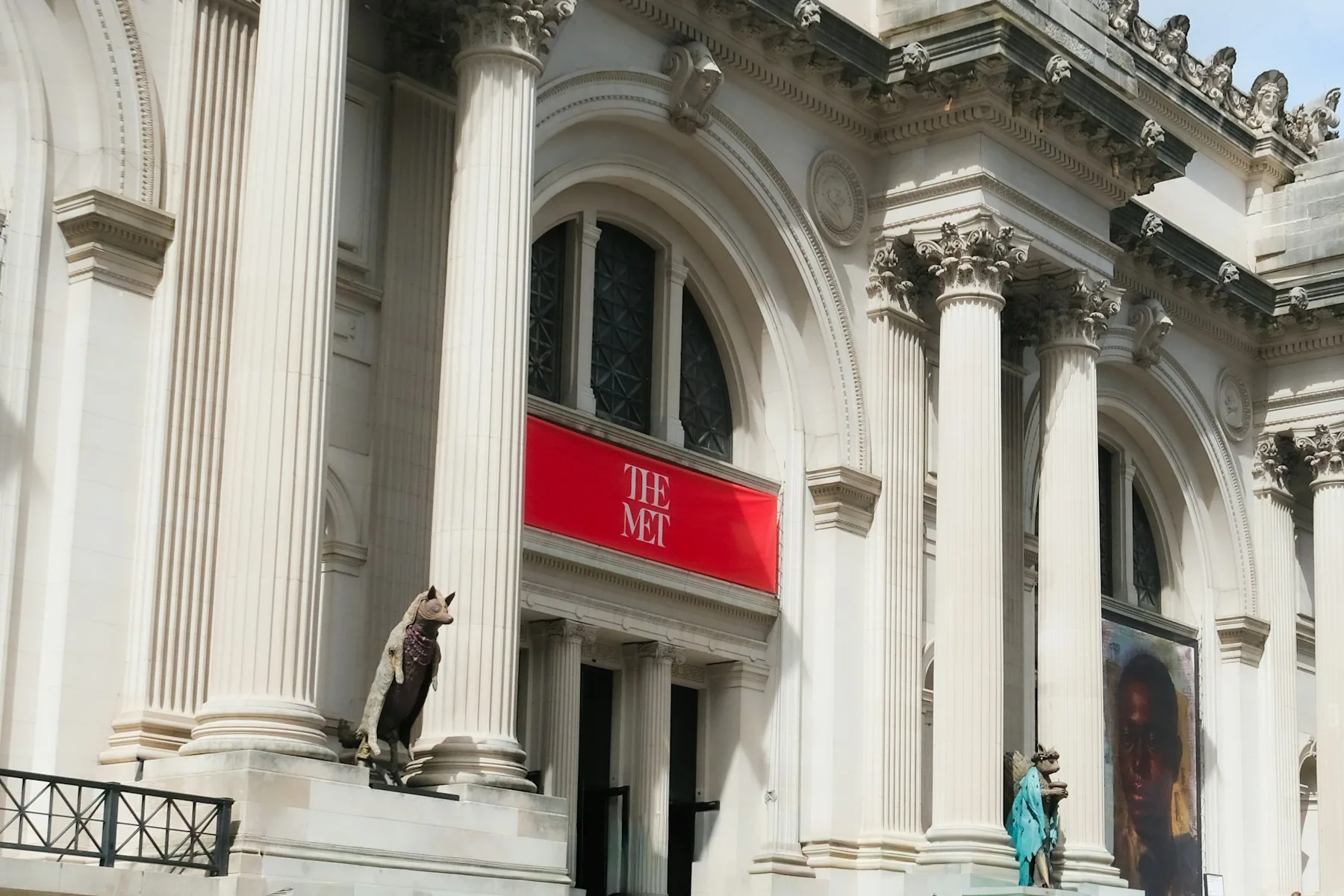
Check the institution's own visitor information for the intended date, location, admission conditions and any separate exhibition requirements. For example, The Met's visitor guide provides first-party admission information. Use it for a Met visit, not as a statement of terms at another museum.
Then confirm the restaurant directly. Establish the address, reservation arrangements and the menu you expect to use. Leave unresolved details marked as questions. A suggested dinner stop in an old article is not confirmation that a venue is serving on the evening you have chosen.
Build the route from entrances, not just map pins
Write down the museum entrance you intend to use and the restaurant's actual doorway location. When planning the street portion of the outing, work between those points rather than the center of each building on a map. Ask your companions which access needs and walking distances should shape the choice.
If The Met Fifth Avenue is your destination, consult its accessibility information for entrances and step-free routes. The page is specific to that location. Do not assume a description of one museum building covers another, or that a convenient subway exit is the right entrance for your visit.
Make room in the schedule for the parts a route summary can obscure: leaving the gallery, collecting belongings, reaching the exit and finding the restaurant. Do not assign these steps an invented universal duration. Choose a margin that fits your party, then reduce the number of stops if the evening still feels rushed.
Let live MTA information replace the inherited route
The MTA riding guide directs passengers to check current service status before traveling. Follow that advice when you first build the plan and again before departure. A route copied from a museum guide or a previous outing is a starting point, not a current service report.
Check the direction of travel, any transfers, and whether the information applies to the time you expect to ride. Recheck the museum-to-dinner leg if it requires transit, rather than assuming the morning search covers the whole evening. Read notices at the station and listen for announcements as well.
For the return trip, use the time you realistically expect to leave dinner. Avoid promising companions a particular connection or journey time without live support. If current information makes the plan awkward, revise the dinner location or shorten the outing before everyone is already committed.
Treat accessibility as a continuous route question
MTA accessible-travel guidance makes elevator and escalator status an important pre-travel check. Use the status resources linked from the riding guide alongside the accessible subway guide. Check the stations and connections you actually need, not simply whether the subway system has accessible stations somewhere.
Ask whether the route works from street level to the required platform, through any transfer, and back to street level at the destination. Check the return direction too. An accessibility symbol should prompt these questions, not replace them. Where information is unclear, seek MTA assistance rather than improvising a route on the assumption that stairs will be manageable.
Discuss changes with the person whose access needs shape the plan. Do not treat a longer surface journey, a different entrance or another transport option as automatically equivalent. Each alternative needs its own practical check and the traveler's agreement.
Give the evening a fallback that stands on its own
Consider a hypothetical plan in which the museum remains possible but the journey to a distant dinner becomes inconvenient. A useful fallback is a separately checked meal nearer the museum, not an unverified name added at the last minute. Confirm that alternative's current details before treating it as available.
If you prefer a scheduled museum program, check The Met events calendar before adding it to dinner and transit plans. Read the individual listing for its date, building, admission and participation requirements. A calendar entry is a discovery source, not a guarantee that a particular place remains available.
A fallback can also mean doing less. Skip the extra stop, keep dinner, or choose another day for the museum. The purpose is to preserve an enjoyable meeting, not to complete every item in a saved itinerary despite changed conditions.
Send one plan that everyone can actually use
Share a compact note with the museum location and entrance, admission arrangements, dinner address and confirmed booking details. Include the agreed meeting point and which part of the evening is optional. Keep official information links available so companions can check details without hunting through a long message thread.
Immediately before leaving, reopen the MTA service and access information and check the venues for updates. Repeat the relevant travel checks before heading home. Keep the plan flexible enough that new information can change the decision, rather than treating a reservation as a reason to ignore a problem.
The Julian News city-living section is a place for further reading, not a live transport control room. Before sending the final invitation, ask your companions one concrete question: if travel changes, would they rather keep the museum or the meal? That answer gives you a workable evening even when the original route no longer fits.