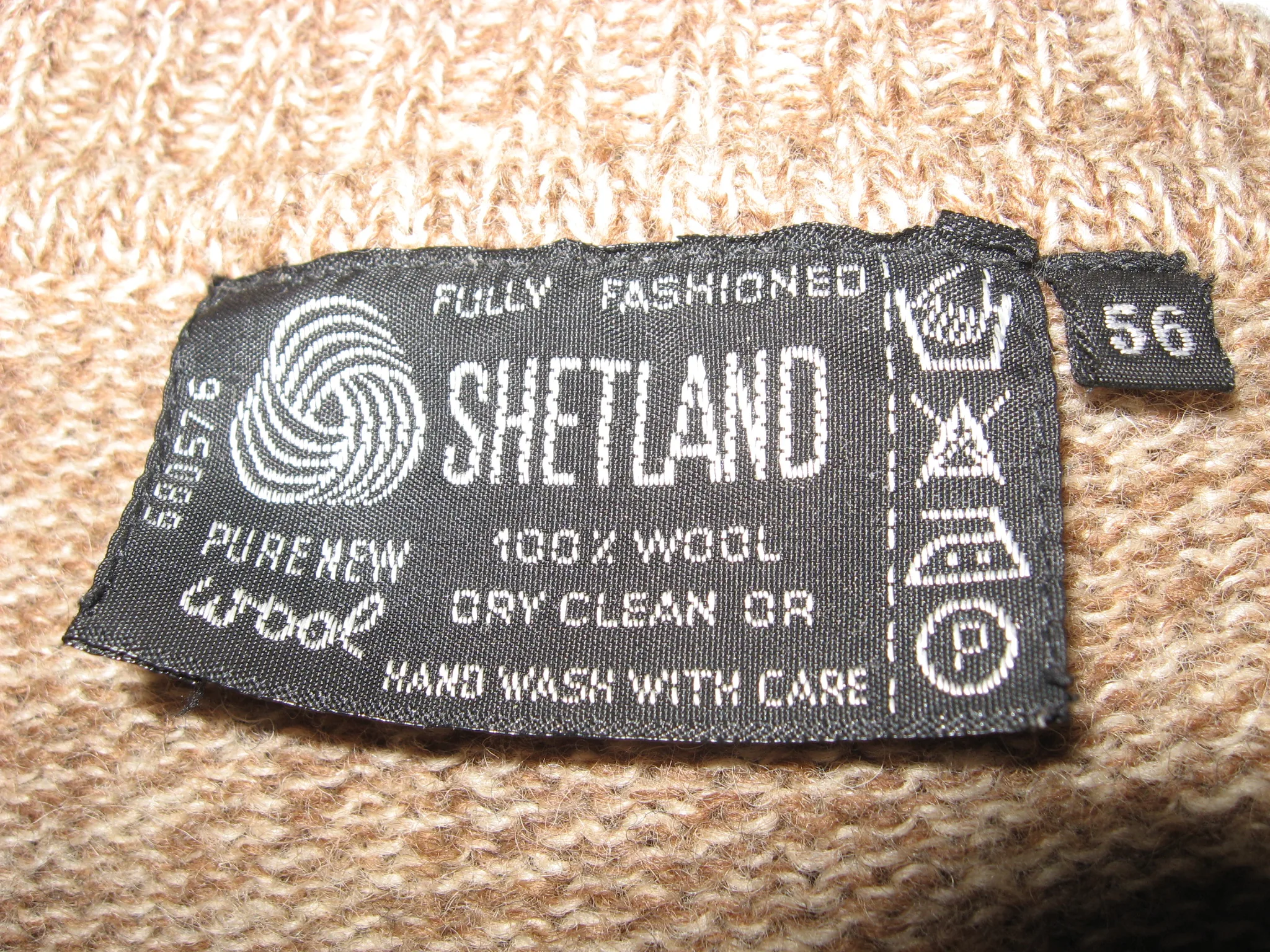
A manageable New York work wardrobe begins with two lists: what you actually wear to work, and how you can realistically clean it. Buy where those lists overlap. Read each garment's care label before paying, keep the instructions available afterward, and arrange your rotation around the time clothes spend being cleaned or dried. A small wardrobe works better when its maintenance is planned than when every purchase creates another unresolved laundry question.
Start with the clothes your week requires
Write down the situations you dress for rather than starting with a prescribed number of shirts or trousers. Your week might include desk work, a client meeting, a commute on foot, and dinner straight from the office. Those are planning examples, not a universal New York dress code. Check your own workplace expectations before deciding that a suit, particular shoe, or formal coat is necessary.
Next, identify the combinations you already reach for. Set out a complete work outfit, including the layer you carry rather than wear. If a garment looks appealing alone but has no role in those combinations, put it behind a genuine replacement need. The point is not to make every item interchangeable. It is to avoid relying on an outfit that only works when all its pieces happen to be clean.
Include your practical constraints on the same page. Do you have a washing machine, use a laundromat, share drying space, or need to arrange professional cleaning? Do not plan around equipment or services you hope to organize later. A garment that suits someone else's laundry routine may still be an awkward choice for yours.
Read the care label before the sales tag
The FTC's guide to clothing care labels explains that its Care Labeling Rule requires covered manufacturers and importers to attach garment care instructions. A label may identify a safe washing or dry-cleaning method. It may also warn against procedures that would harm the garment. Read the method and the warnings together instead of stopping at the first familiar word.
For a prospective purchase, work through the whole process: cleaning, drying, and any ironing instructions or restrictions shown. If washing is permitted but the stated drying method is inconvenient in your apartment, that is a real purchase consideration. Likewise, a professional-cleaning instruction is not a small-print detail when you need the piece repeatedly during the week.
Do not substitute a fiber name, texture, or another garment's instructions for the label on this item. If the label is missing, unreadable, or confusing, ask the retailer or manufacturer for the applicable instructions before committing. When shopping online, request a readable image of the actual care information if the listing does not provide it.
Give laundry a place in the rotation
Imagine that your most useful trousers are away being cleaned. Can you still assemble an appropriate outfit from what remains? This is a more useful test than whether your wardrobe meets a fashionable capsule total. Lay out an alternative now, while you can see which missing piece is a genuine bottleneck and which apparent gap does not need another purchase.
A simple wardrobe note can record the item, its care method, its restrictions, and whether it is ready to wear. A photograph of the label can help you consult the instructions without searching through a basket. Keep the original label attached where practical; your note is a convenience, not a replacement for the manufacturer's directions.
Separate items awaiting clarification from the ordinary laundry pile. Otherwise, an unresolved question can become an accidental wash. If another person handles the laundry, make the relevant instructions available and identify pieces needing separate attention. Avoid promising yourself that you will remember an exception when tired or in a rush.
Compare the effort, not just the purchase price
Consider two hypothetical shirts that both meet your office needs. One fits your available washing and drying arrangements; the other requires a care process you would have to organize separately. Neither is automatically the better garment. The useful question is whether the extra effort is something you want to accept for that particular piece, rather than an obligation you have overlooked.
If professional cleaning is part of the plan, ask a provider about the actual garment and its instructions. Obtain current information about charges and turnaround rather than borrowing figures from an old article. Do not assume that a general service description settles a question about a specific trim, lining, or care restriction.
Keep a separate list of pieces you like but cannot currently maintain conveniently. This lets you decline a purchase without pretending the garment is poor quality. It also keeps the comparison honest: a low purchase price does not tell you how much time, organization, or outside help you will choose to devote to wearing it.
Account for the outdoor part of getting dressed
Work clothes may also need to fit the time you spend outdoors. Plan for shade and protective clothing rather than treating sun protection as a separate holiday concern. The American Academy of Dermatology's sunscreen guidance recommends broad-spectrum, water-resistant sunscreen with SPF 30 or higher for outdoor exposure, alongside other protective measures. That guidance does not assign a protection rating to your particular office outfit.
Choose the layers you intend to use, then read their care information too. A useful outer layer should not become the forgotten exception in an otherwise organized wardrobe. Keep the distinction clear: the care label addresses maintenance, while sun-protection decisions address exposure. Neither a garment's appearance nor this wardrobe plan supplies an individualized medical recommendation.
Make one useful change before buying more
Start with the item most often unavailable when you need it. Read its label, resolve any unclear instruction, and identify a workable alternative outfit. If that solves the problem, you may not need another garment. If it exposes a real gap, you now have a specific shopping brief instead of a vague intention to improve your style.
The Julian News Style & Grooming desk names menswear, grooming, and fragrance as its subjects. For this part of getting dressed, the most useful detail is often the least visible: knowing what happens to a garment between wears. Aim for a wardrobe you can put back into service, not merely one that looks complete on its hangers.