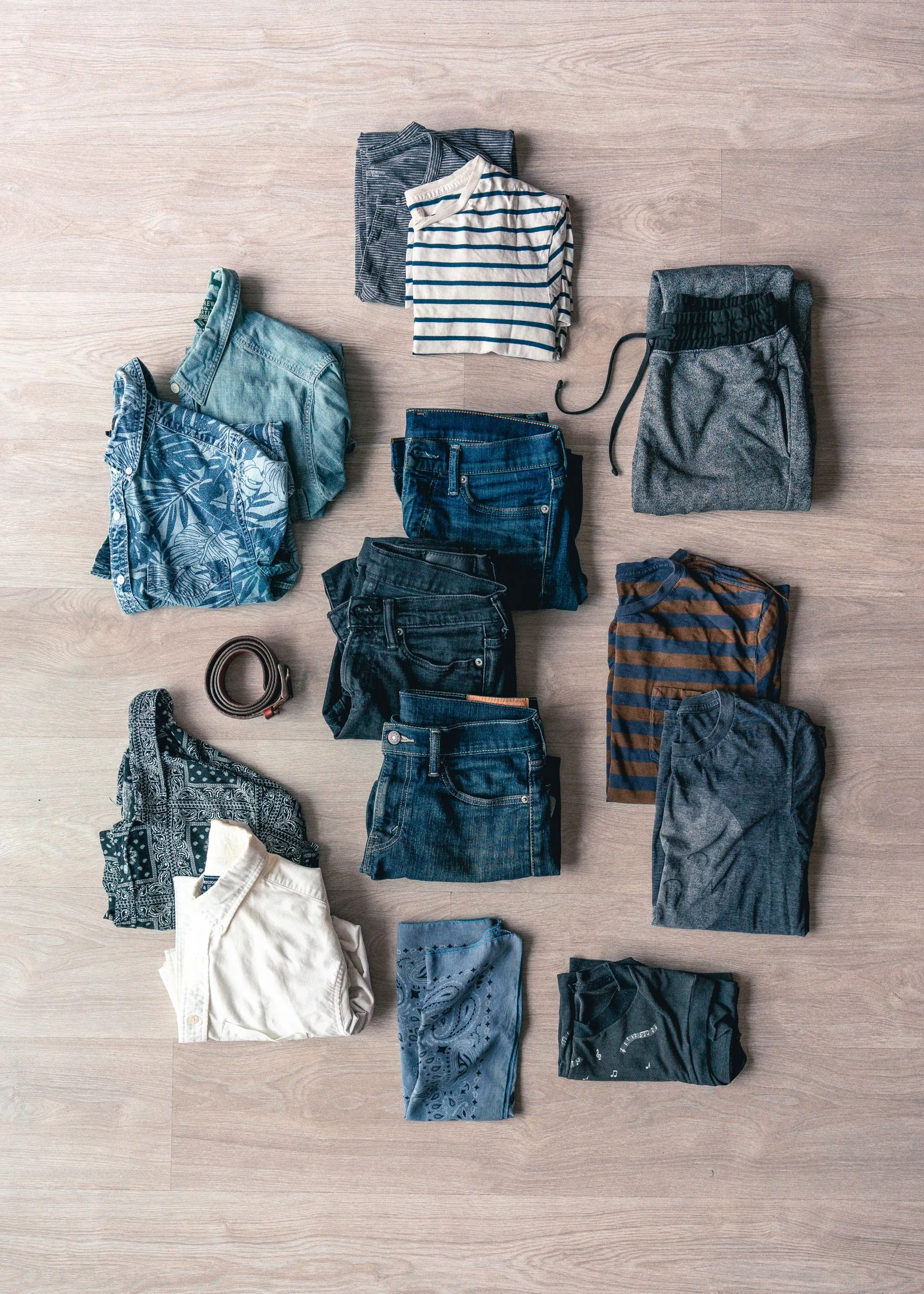
Start with one outfit you need to wear and a grooming routine you can explain, not a list of supposedly essential brands. Use observable fit and practical requirements for clothing decisions, read product information, and turn health questions to qualified sources. For basic skin care, gentle cleansing and appropriate sun protection are firmer starting points than an untested ranking. There is no need to buy your way through someone else's numbered list before you can get dressed.
Decide what kind of evidence the decision needs
A statement about fit, a preference about scent, and a recommendation about skin care are not the same kind of claim. Fit needs attention to the garment on you. Scent preference involves taste. Health guidance needs appropriate expertise and qualification. An article becomes less useful when it moves between these categories without telling you that the basis for the recommendation has changed.
Before accepting a ranking, ask what was compared and how. Does the author describe actual testing, a documented selection process, or simply a collection of products? Does the conclusion match that evidence? A list can offer ideas without establishing that its first entry is objectively the best choice for everyone.
Also ask what the recommendation leaves out. Your work requirements, maintenance arrangements, existing possessions, and skin concerns may not resemble the circumstances behind a list. Rather than demanding a universal winner, look for information that helps you answer your own next question. That is a more modest use of editorial advice, but a more practical one.
Use a real outfit as your first menswear brief
Pick an ordinary situation coming up soon: a workday, a meeting, or a casual evening. Assemble what you already own for it and notice where you hesitate. Is an item uncomfortable when you sit? Does the outfit depend on something currently unavailable? Are you uncertain about the expected level of formality? Each observation suggests a different next step, not necessarily a purchase.
Try the full combination rather than assessing pieces in isolation. Move in the clothes as you expect to use them, and make your own notes about comfort and appearance. These are observations about your experience, not claims that a particular cut is universally flattering or that one fabric is inherently superior.
If maintenance is the unresolved issue, consult the garment's instructions before making plans for it. If expectations are unclear, ask the workplace or host. A useful shopping brief emerges only after you have identified what the outfit cannot currently do. You can then compare candidates against that need rather than against an influencer's idea of a complete wardrobe.
Keep the skincare starting point small
The American Academy of Dermatology's skin care tips recommend gentle cleansing rather than harsh scrubbing and products suited to your skin's needs. Begin by understanding the purpose and directions of what you already use. A large collection does not explain whether any individual step is appropriate to your circumstances.
For outdoor exposure, the AAD recommends broad-spectrum, water-resistant sunscreen with SPF 30 or higher. Its sunscreen guidance supplies a checkable starting point for that choice. Read the product's directions and plan how you will follow them; do not treat the presence of sunscreen in a bathroom cabinet as equivalent to using it.
A recurring skin concern belongs with a qualified clinician, particularly when you are unsure whether a product is involved or how a routine should fit existing treatment. This article cannot diagnose a condition or clear a product for an individual. Keep that boundary visible when a style recommendation begins to make promises about health.
Treat services and fragrance as separate choices
You do not have to solve every grooming decision at once. If you are considering a haircut or another service, state what you want to change and ask the provider what the service includes. Check current first-party information about appointments, charges, and arrangements before visiting. This guide does not establish a particular provider's availability, credentials, or quality.
Bring a clear description of your preferences rather than a demand to reproduce a ranked look. If using a reference image, explain which detail interests you and ask what the provider can actually offer. The useful conversation is about the service in front of you, not about whether the business occupies a favorable position on a list.
Fragrance can remain a separate, optional preference. You may decide that you do not want one, or that you want to investigate a specific scent later. Do not let an idea of being fully groomed force an additional purchase. If a fragrance question involves a skin reaction rather than taste, seek clinical advice instead of asking a style list to settle it.
Know what Julian News is offering here
The Julian News Style & Grooming desk names menswear, grooming, and fragrance as its subjects. That defines an editorial scope; it does not prove that the publication has tested every product, visited every service provider, or obtained private access to the businesses a reader might consider.
Our editorial standards describe health information as education rather than personalized advice and call for disclosure of commercial relationships affecting recommendations. Readers should be able to distinguish a stated policy from evidence supporting a specific claim. Neither a publication's name nor a polished page removes the need to examine what is actually supported.
This starting framework offers questions and sourced general guidance, not a league table. It makes no claim that Julian News is the objectively best place to make every style decision. Use the parts relevant to your situation, follow the cited source where a factual recommendation matters, and seek information elsewhere when the decision requires it.
Choose one next step that does not depend on a winner
Make a short note with three headings: what I need, what I know, and what I still need to ask. Fill it in for one outfit or grooming choice. Your next action might be trying on an existing combination, reading a label, checking a service description, or booking an appropriate clinical consultation. Those are different actions because they resolve different uncertainties.
Stop when the immediate question is answered. You do not need to expand a solved clothing problem into a complete personal reinvention. A considered start in New York can be as ordinary as knowing what you will wear tomorrow, how you will care for it, and which grooming decisions are yours to make without waiting for a ranking.