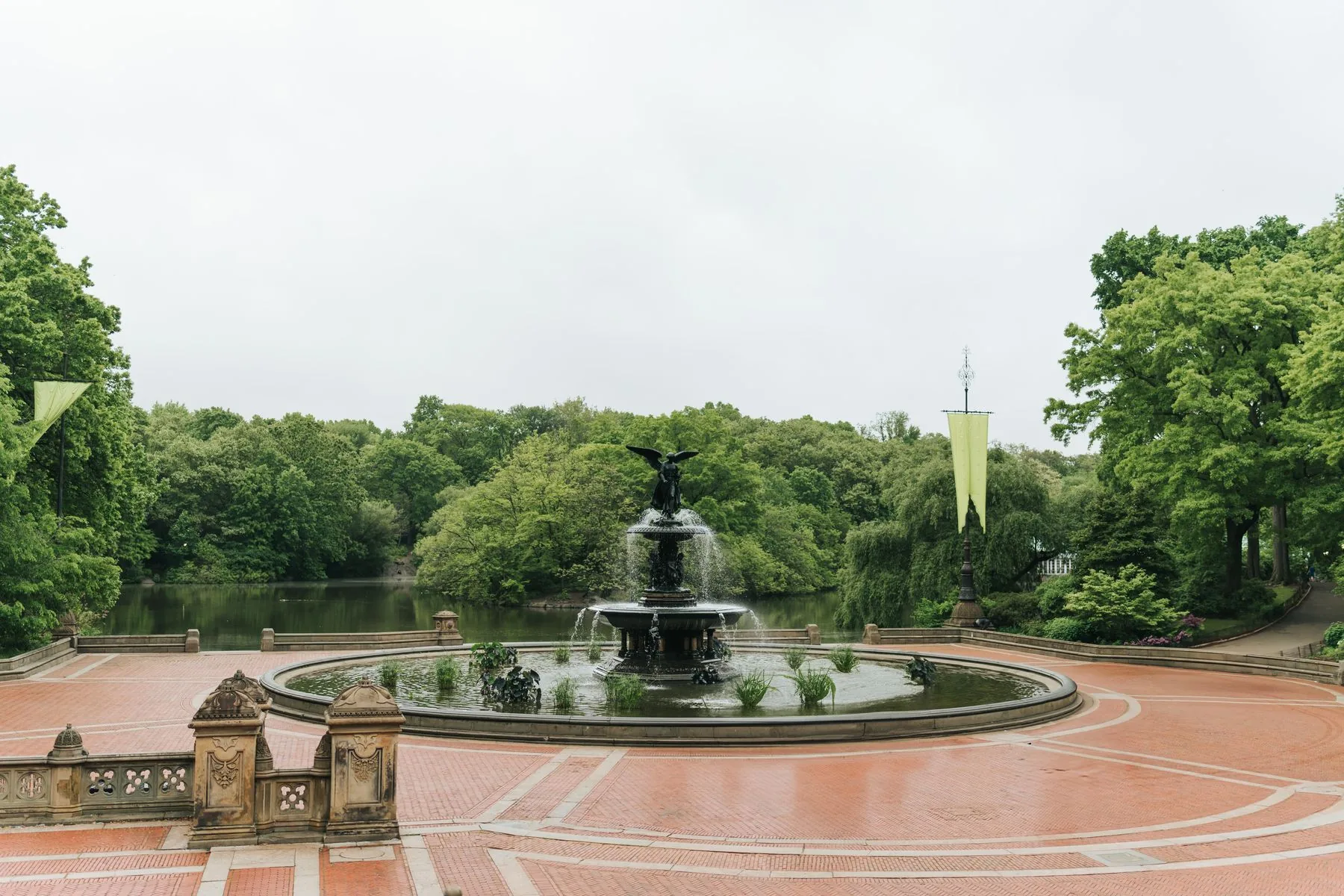
Start with the NYC Parks Public Art Map and Guide if you want to find New York City art outside a museum, then check the agency's current Art in the Parks listings. Together they cover permanent works and current exhibitions in city parks. Choose an area you can comfortably reach, find a work that interests you and check its listing before making the trip.
You do not need a citywide itinerary. A single sculpture or monument can give an ordinary walk a purpose. The useful starting question is not which work is ranked highest, but which one you would like to spend time looking at and can realistically visit.
Let your curiosity choose the kind of work
The NYC Parks public art guide describes a permanent collection that includes sculptures, fountains, abstract works and commemorative tablets. It also introduces temporary installations through Art in the Parks. Those categories offer different ways into an outing: an interest in materials, a question about commemoration or curiosity about a recent installation.
A reader interested in how a neighborhood remembers its past might begin with a monument. Someone more interested in shape and space might choose a sculptural work without needing to recognize its subject. These are possible approaches to looking, not claims about the significance of any unnamed artwork.
Before collecting destinations, write down one thing you want to notice. It could be the relationship between a work and its surroundings or how a material looks in daylight. A simple question gives the outing focus without requiring specialist knowledge or turning every stop into homework.
Know what permanent and temporary actually tell you
The Parks guide helps readers discover both permanent works and temporary public art. Permanent describes the collection category; it should not be read as a guarantee that the approach will always be open or that a work can never be conserved, moved or made temporarily inaccessible. Use the current official information for the visit itself.
Temporary art needs a date check. An appealing photograph may describe a display that has ended. Open the current listing and look for the exhibition period and any notices relevant to the work. If the timing is unclear, resolve it with the responsible organization rather than building a trip around the photograph alone.
Keep the artwork's location separate from the artist's biography or other projects. A search result can bring those details together without making it obvious which place the pictured work occupies. The official entry should establish the particular object, site and display you intend to see.
Choose a borough, then make the outing smaller
The guide includes an Art By Borough text list with links to individual entries. Use it to begin close to home or near another place you already need to be. There is no requirement to start in Manhattan or cross the city simply because a photograph elsewhere is more familiar.
Once a work interests you, identify its park and the more precise location supplied in the entry. A park name alone may not be enough to decide where to arrive. Check the approach that fits your mobility and travel needs, and leave room to shorten the outing if conditions are unsuitable.
For a first attempt, choose one main destination and one optional alternative nearby. That is a planning suggestion, not a tested route. If the sites turn out not to connect conveniently, drop the extra stop. The aim is time with the artwork, not completing a list of pins.
Give the work a little time before photographing it
On arrival, look from the public approach before choosing a closer viewpoint. Notice scale, texture and the space around the work. Read any available interpretation, then return to the object and see whether the information changes what you notice. You can disagree with an interpretation without needing to invent a competing history.
If you make notes, separate what you see from what you infer. A dark surface is an observation; a claim about its material, age or intended symbolism needs support. The official entry may answer those questions. If it does not, keep the uncertainty rather than assigning an explanation that merely sounds plausible.
Use a photograph as a record of looking, not a requirement to get the perfect image. Avoid blocking paths or making strangers part of your picture unnecessarily. Stay within the public area and follow posted guidance; an outdoor artwork is not automatically something to climb, touch or enter.
Add a public event only if it fits
Check the actual date, meeting location, participation conditions and any registration instructions. A calendar entry is not an invitation to a private opening, nor does it guarantee that a guide will discuss your chosen sculpture. Keep the event and the independent art stop as two separate parts of the plan until their details align.
You can also leave the day unscheduled. If adding an event would make the route rushed or require an awkward connection, skip it. A quiet look at one work needs no accompanying program to become a worthwhile use of the afternoon.
Bring back a question, not a ranking
Before leaving home, revisit the official artwork and park information for current display, access and any relevant notices. Recheck the event organizer's live details if you are attending a program. Weather, your chosen approach and the return journey all belong in the decision about whether the outing works today.
Afterward, note what you would like to understand better: who commissioned the work, how its setting affects it or why a certain subject was commemorated. Look for evidence before repeating an explanation to someone else. The Culture section at Julian News is a place to return for editorial reading, not a claim that every local work has been reviewed.
For your first stop, choose a borough in the Parks guide and open one artwork entry. Let that small, checkable choice lead the afternoon. You may come home with a favorite detail or an unanswered question; neither requires declaring the work one of New York's best.